A city break as a disabled young adult
This blog has very kindly been sponsored by Medical Travel Compared.
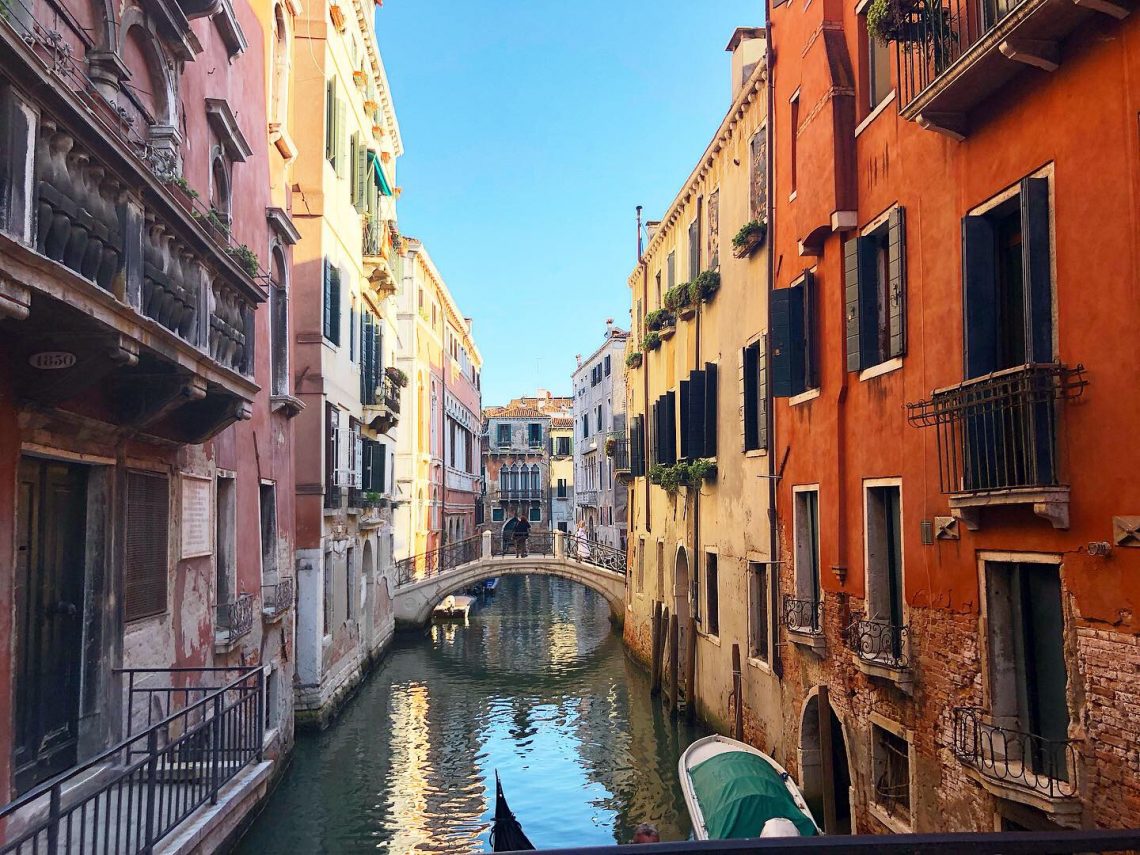
With winter approaching a little quicker than I’d like, I thought I would reflect on my trip to Venice by making a little guide about city breaks. For those who are new to my blog, I have mild cerebral palsy as well as being partially sighted.

I believe that right from the beginning it was clear I wanted to have a typical holiday and to be able to see the sights just like everyone else. Like all aspects of having a disability, some compromises had to be made, yet that didn’t impact on the amazing time that I had.
Flights and hotels
If you have a few places in mind, then this is always a good place to start.
Flights are always something that can be complicated when you have a disability, but it doesn’t have to be. Many airlines are more than equipped for disabled passengers once you have informed their assistance team of what support you will need. When I was flying to Venice the air-hostess allowed me to feel the safety equipment so I could familiarise myself with them. This was not something I asked for, but it was really appreciated.

When looking at hotels, it is best to stay as central as possible (depending on your budget and preference) or somewhere with good transport links. This can be key when accessing the city and also means you can go back and rest when needed. Additionally, it is important to ensure it is accessible for you. I would advise clarifying what they mean by ‘accessible’ and what is included in their disabled access rooms – this can vary significantly, especially in other countries.
Travel insurance
Please get suitable travel insurance, I cannot stress this enough! When you have a disability, getting travel insurance can be a bit of a pain. However, Medical Travel Compared make it super easy and quick to do. They are specifically designed for people who have pre-existing conditions or disabilities. Not only that, they have a load of resources that you should check out.
Medical equipment and supplies
If you take regular medication then be sure to take spares, you never know when there will be flight delays! It is also beneficial to take them in their original boxes (rather than a Dossett box) as this will make it a lot easier when taking them through security. I do tend to put all my medication in my hand-luggage, just incase something happens to the suitcases.
Checking the rules around medication in your destination will see if you need to obtain a letter from your GP about the medication that you take. Just to be on the safe side! Here’s an article from Medical Travel Compare about taking medication on holiday.

If you’re like me, you will have a range of mobility aids for various eventualities and deciding what to take can be a difficult decision! You don’t want to take everything plus the kitchen sink, but having options is important. For example, my walking collapses and can easily fit in my bag which means I can use it whenever it is needed. Unfortunately, we don’t get to leave our disability at home and as a result, it is always good to be prepared.
Planning activities
I found TripAdvisor was a great place to research tours and trips, as well as having loads of reviews at your finger tips. Some tours stated it was not suitable for people with a mobility impairment which is good to know. Similarly, the time of day you choose could make things easier. I found that going at less busy times made tours more laid back and easier to navigate.

If you do go on a tour be sure to leave a review. It may seem slightly time consuming to say how you found it from a disability point of view, but it could be beneficial to other disabled people in the future.
Make sure to leave yourself plenty of time. The last thing you want to be doing is rushing around and missing tours. Not only that, it’s okay to get lost! I know this seems completely illogical, but don’t be afraid to just go and explore, you never know what you may come across.
Enjoy!
For me, going somewhere for 4 nights was perfect. I could see the sights I wanted to, do a bit of exploring and not be too exhausted at the end of it. With my pain and energy levels I wouldn’t have been able to do any longer, and that’s okay! It’s important to enjoy your trip as well. If you need to rest, then listen to your body. If you want to push yourself a bit further for these unique experiences, then go for it!

You want to be able to enjoy the key moments and not be overtired or in a lot of pain. One afternoon my pain levels were really high, and we went back to the hotel of a lie down. This meant I had more energy and was able to get dressed up for an evening meal.
At the end of the day, it’s your holiday and you deserve to go and have an amazing time! A disability may make it trickier, but it is possible and is worth all the planning!
~ Chloe x


2 Comments
Allan Miller
Hi Chloe
This is another great posting. I have travelled a lot with progressive multiple sclerosis. The airlines are usually very good with wheelchair assistance and the accessible hotel rooms on the west coast of the USA have been wonderful. The accessible rooms in Canada are more hit and miss.
I rely on Google Maps for my research and I post reviews. Google is now encouraging people to post about accessibility and as a result it’s a good resource for planning an accessible trip.
Yes, take doctor’s certificates or other records to authenticate your medications. I also use a folding cane as I can take it into the airplane cabin and use it to get to the washroom.
I use wheelchair assistance at airports. Do you?
Venice is now on my list.
😎
A
~
chloetear
Hi, thank you for this. I too use airport assistance and have found it to be very beneficial!