Disability Hate Crime: The Stats and The Implications
I’m currently sat in the entrance of BBC Leeds waiting to do an video call which will be broadcast live on national news about the rise in disability hate crime. This kind of thing has not got easier with practice and I’m nervous, but I know these things need to be said.
A report has concluded that all types of hate crime are on the rise, with disability hate crimes being no different. A BBC news report said, “Research by learning disability charity United Response found there were more than 6,000 reported cases in 2018-19, a rise of just under 12% in a year.” I think it’s clear to say that things must change.
But where do I come into this?
As a disability blogger and campaigner I am passionate about all topics to do with disability and will always be more than happy to discuss things at a local and national level. However, disability hate crime is something quite close to my heart.
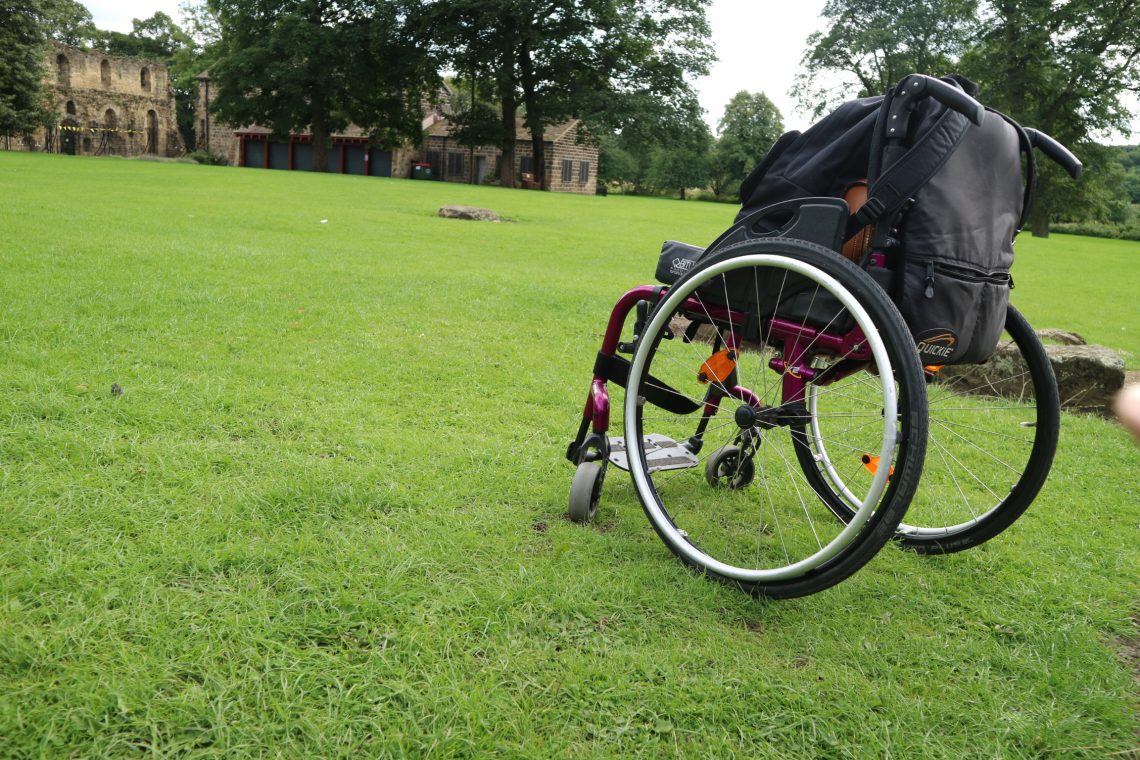
On the 5th October 2015 I was coming home from an event with friends when I had eggs thrown at me because I was in a wheelchair. At the time I had only just started using a wheelchair part- time and it really did have a big impact on me. For starters, it took years to be able to mention it without feeling emotional. Yet it’s more than that, the impact of a disability hate crime has been lasting.
To be singled out for something you have only just started to accept and take on as your identity can really makes you question things. Should I be okay with being disabled? Is there actually something wrong with being me? Not only that, because I had just started using a wheelchair, I saw a shift in how I viewed my chair.
Why has there been a rise in disability hate crime?
Being disabled is not a bad thing, yet it the views and perceptions of others that can really make us question this. We are forced to prove ourselves when we don’t fit ‘the norms’ and often are left being seen as less.
I personally believe that the rise in hate crimes are partly due to more people reporting it. We live in a society where people are more open to by themselves, this is great and it must continue. Yet it is through the publicity of difference that make you more susceptible to hate. However, this is not to be used as an excuse. The higher figures only illustrate how much of an issue this really is and that it cannot be ignore any longer.
Disabled people can face malicious comments on a daily basis and it becomes so intertwined with our daily lives. Sadly, we almost go out alone and expect to receive such remarks. However, what is a malicious comment from a daily commuter that you will never see again, and what counts as a hate crime? Often the comments are an isolated incident, with the other person sometimes being oblivious to what they have just said. They will continue their day without a second thought and you will sit there with this comment being played over and over. Throw in another comment every now and then and it really can take its toll.
I am absolutely shocked by the rise in disability hate crime, but I am not surprised. From my own experiences and the stories of others, I see how disabled people can be treated. I appreciate that the vast majority are respectful and extremely pleasant, but it’s the unforgivable experiences that stay with us. It is these incidents that can make us think twice about leaving the house and living our lives — it’s not good enough. Disabled people deserve so much better and I hope this report is the start of these changes.
Stereotypes are so engrained within society, and this could be part of the problem. If a disabled person does not fit within the very narrow stereotypes that have been formed, then they are at risk of hate. Not only that, some people just have a hatred for disabled people and feel we deserve their awful remarks or abuse.
What do we need to do next?
I have a feeling that telling people to grow up and be respectful to a fellow human being won’t solve the issue. So, I believe it is down to further education around disability that is needed to stop hate crimes. Unfortunately you will always get some people who will have these views regardless, but I believe education can help, especially where the younger generations are concerned.
Additionally, I would encourage people who have been involved in a hate crime to report it. It doesn’t matter how big or small the offence was, if it has affected you then you deserve it to be investigated.
It has been a great opportunity to share my views the last few weeks on BBC Look North and BBC News, I just hope I don’t have to do the same thing in the next few years. Hate crime must be taken seriously and I’m sorry if you have been affected by an incident.
Being disabled isn’t a bad thing and I just wish the rest of the general public realised this too.
~ Chloe x
Related articles
- An open letter to disability hate crime (my experience)
- Disability hate crime: Number of reports rising (BBC article)
- My BBC News interview


7 Comments
Larisa
Thankyou Chloe, I love reading your posts. I have two young boys, my youngest is 6 and also has mild cerebral palsy. Your perspective on life as a young adult with CP is really insightful and hugely encouraging for me, your a very admirable lady and I hope that he’ll be reading your story one day. Keep on being wonderful 😚💝
chloetear
Hi Larisa,
Thank you so much for sharing this, I am so glad my posts have been able to help and your kind words really do mean an awful lot!
Wishing you and your sons a lovely day. If you ever want to talk then I’m always around!
Allan Miller
Hi Chloe
This is an upsetting posting.
I have had only one incident that bothered me and that was when a young woman walking past me while I was using my power chair said, “Old people are ugly.” It came out of nowhere and although I wasn’t threatened it was very upsetting.
Yes, I think that education is the key and that it should start at an early age with families discussing disabilities and the challenges involved and with education in elementary school.
A
~
Anne-Marie Cox
Hi Chloe, I am a powerchair user. People often ask me what is wrong. On holiday a well meaning (I think) elderly lady said to my mum that I was so young to be using a wheelchair! I guess she associated age with a wheelchair. Disability clearly affects all ages.
chloetear
Hi Anne-Marie,
Thank you for sharing this. I too can relate to what you are say, it’s very annoying isn’t it!?
Disability can affect anyone <3
Hannah
Thanks Chloe for this article. I to in a wheelchair got called a cripple by someone once and they also said they wanted to snap my neck. This had no motive whatsoever. 3 years on from it I’ve never forgotten and never will. I think there should be more education surrounding disabilities not just by word of mouth but also through the simple act of meeting them out in society which would show that they too are human beings with feelings. I also have a blog.
Hannah
chloetear
Thank you so much for sharing this with me Hannah. More education is certainly needed!